A Winter Ascent of Snowdon: Trip Report and Lessons Learnt
The car thermometer read minus three as we pulled into Llanberis, and the summit forecast promised gusts strong enough to rattle the café windows. Not the obvious day for a hill walk, which was rather the point. A fortnight of watching weather charts had given us one cold, bright window between Atlantic fronts, and the Llanberis Path looked like the sensible way to use it. What follows is how the day went, what I carried, and the handful of things I would do differently next time.
Picking the day, not just the route
Winter on Yr Wyddfa is not a season so much as a set of conditions that change by the hour. The Met Office mountain forecast for Snowdonia and the MWIS outlook will give you wind speed, freezing level and cloud base, but neither tells you what the ground under your boots is actually like. That you have to work out from the pattern of the week before.
A cold snap that has had a few days to settle the snow usually gives firmer, more predictable going than mild air moving in behind it. A thaw is the day to stay low. Slush over rock is miserable, and wet snow on a steep slope is where trouble starts.
We also agreed a turn-around before leaving the car, and said it out loud rather than leaving it as a vague understanding. Summit by one o'clock, or we turn at Bwlch Glas and come back. Writing it down sounds fussy. Saying it out loud in the car park costs nothing and removes the argument when you are tired and the wind is rising.
Choosing a line you can actually manage
The Llanberis Path is often described as the easiest way up, and in summer that is fair. It follows the railway most of the way and never gets genuinely steep. In winter it is a long, exposed plod with a couple of sections where a slip would have consequences, and the summit plateau in a white-out is a different place entirely.
Snowdon Ranger and Rhyd Ddu make quieter winter alternatives. The Watkin steepens sharply above the col. Crib Goch in winter is mountaineering, not walking, and a very different undertaking from the summer scramble. The safe rule is to pick something a grade below what you would comfortably do in summer, and to accept that the mountain does not care what you managed last August.
What earned its place in the pack
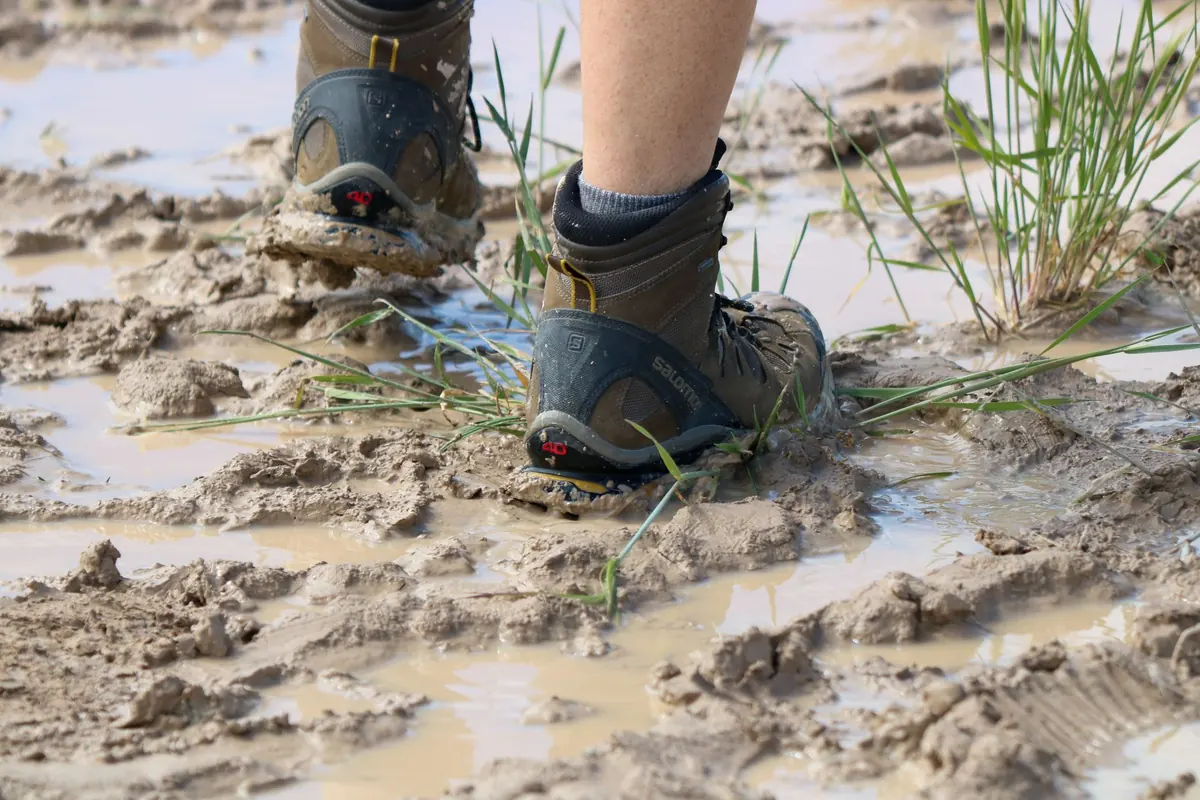
- Boots with a stiff sole and a proper heel welt. Crampons need something to bite into. Trainers and trail shoes have no business above the snow line.
- Crampons, fitted and adjusted at home, not on the first icy slope with your gloves off.
- A walking axe. Poles are excellent for rhythm and balance, but they will not arrest a slide. Carry both if you like; know how to use the axe.
- Goggles. The wind on the ridge above Clogwyn is the reason.
- Spare gloves and a spare hat in a dry bag, because wet gloves end days early.
- A synthetic mid-layer and a hardshell, plus a warm belay jacket for stops.
- Map, compass and a charged phone with the relevant OS map saved for offline use. Electronics die in the cold; keep it inside your jacket.
- Headtorch, group shelter, flask, and more food than you think you need. Cold burns calories faster than you notice.
- A small first aid kit with tape, blister plasters and a foil blanket.
The ascent
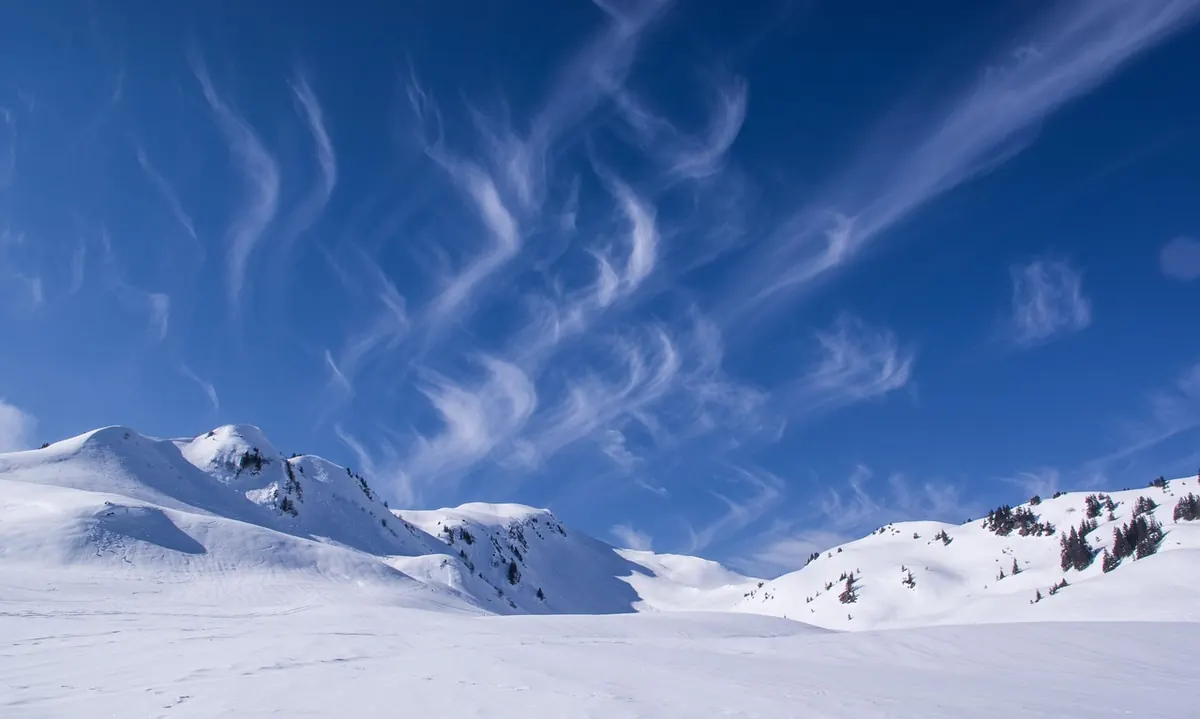
We left the car park at half seven with the track frozen hard underfoot, which made the first hour easy going. The snow line started somewhere around five hundred metres, first in patches, then continuous. We passed the Halfway House, closed and shuttered, and started the long zigzags where the path swings up beside the railway.
Around Clogwyn station the surface changed character. What had been soft and squeaky became scoured and firm, hard enough that crampons started to make sense and soft enough that they still bit. We stopped on a flat stretch, put them on properly, and checked each other's straps. That five minutes is worth far more than any amount of confident striding about.
Above the zigzags there is a short, icy step where the path narrows. It is not exposed by alpine standards and it is not somewhere you want to be in smooth soles. The axe came off the pack and stayed in hand from there.
On Bwlch Glas the wind arrived properly. Goggles on, hood up, and we moved briskly for the summit cairn. Hafod Eryri was closed and locked, and there was no lingering. A photograph, a mouthful of tea, and we turned around. Descent is where tired legs make mistakes, so we kept the crampons on well past the point where they seemed necessary and took the zigzags slowly. The last mile on the tarmac track back into Llanberis, oddly, hurt more than anything above the snow line.
Lessons I would pass on
- Start earlier than feels reasonable. The mountain hands out the best conditions in the morning, and a slow winter ascent takes longer than the summer guidebook time suggests.
- Practise with your kit before you need it. Put crampons on in the garden. Swing an axe into a snowbank. Learn what a proper self-arrest feels like on a safe slope, ideally with someone who knows what they are doing.
- Wind, not cold, is usually the thing that stops you. Watch the gusts figure, not just the temperature, and turn around before you are too battered to make good decisions.
- Eat and drink on a schedule. Every hour, whether you feel like it or not. Cold suppresses thirst and appetite at exactly the wrong moment.
- Leave a plan with someone at home, including your route and your expected return, and text them when you are back at the car.
Planning your own winter ascent
If you have never used an axe and crampons, book a winter skills course in Wales or Scotland before you go out on your own. That is not gatekeeping; it is simply how most people learn, and two days of instruction will do more for your margin of safety than any piece of kit. Go with someone experienced for your first few winter days, build up gradually, and treat the summit as optional every single time. If you have a health condition that cold and exertion could aggravate, speak to your GP before committing to a big day out.
Then watch the charts, pick a settled cold spell, pack as though the weather will turn, and give yourself permission to turn around. Snowdon in winter is one of the finest days out in Britain. It is also a real mountain, and treating it that way is what makes it enjoyable.
Photo: Sweetaholic / Pixabay
Three Days on the West Highland Way: Trip Report and Packing Tips
A three-day fastpack of the West Highland Way, with notes on where the pace fell apart and which kit...
Night Hiking for Beginners: Safety, Kit and Route Planning
A practical guide to walking after dark, covering head torch choice, night navigation, timing your route...
About Us