Three Days on the West Highland Way: Trip Report and Packing Tips
Most people give the West Highland Way six or seven days. We gave it three, not out of heroism but because a long weekend, a summer of hill running and a stubborn refusal to be sensible all arrived at once. Ninety-six miles from Milngavie to Fort William, two nights out, and more rain than the forecast had promised. Here is how it went, and what we would change next time.
Before you read on, a word of honesty: three days means roughly 30 to 36 miles a day. That is a different sport from a leisurely week on the Way, and it is worth deciding early whether it is what you actually want.
Day one: Milngavie to Rowardennan
We left the obelisk in Milngavie at 6.15am with head torches on and the streets still quiet. The first twelve miles to Drymen are the easiest on the whole route: firm track, gentle gradients, nothing to slow you down. That is the trap. It is very easy to bank the miles here at a pace you will pay for later, and we did exactly that, arriving in Drymen feeling fresh and slightly smug.
Conic Hill comes next, and it is the first real climb. The path is stepped and busy, and the reward at the top is the view down the length of Loch Lomond. We dropped into Balmaha, refilled water bottles, ate a roll and pushed on.
The seven miles from Balmaha to Rowardennan are where the day changed character. Undulating, rooty, and slow underfoot, with just enough ups and downs to make a rhythm hard. We finished in the dark at just over 27 miles, which was further than planned but landed us at the right place: past Rowardennan, the shore path gets much worse before it gets better.
What we learned
Stop at Rowardennan if you can. Camping there in June cost us a bad night's sleep to midges, but the alternative was tackling the worst ground on the route with tired legs.
Day two: Rowardennan to Bridge of Orchy
About 33 miles, and the hardest day of the three. The lochside stretch north of Rowardennan is genuinely slow going: tree roots, boulders, low branches, a short ladder section, and a path that twists constantly. It is beautiful and it is a grind. We planned four miles an hour here and managed closer to two and a half.
By Inverarnan the ground finally improves and the Way climbs away from the loch onto a proper track. From there it is steady miles through Crianlarich and on to Tyndrum, where there is a village shop and somewhere to sit down with a hot drink. If you are carrying less food than us, Tyndrum is the best resupply point on the route before Kinlochleven.
The last seven miles to Bridge of Orchy run along the old military road, which is fast and forgiving, and we covered it in horizontal rain with the wind at our backs. We slept in a bunkhouse, hung wet kit over every available hook, and set an alarm for 5.30am.
Day three: Bridge of Orchy to Fort William
Thirty-six miles, and the best day of the three despite the distance. The climb over to Inveroran is short, and then you get the Rannoch Moor crossing: wide, bleak, exposed, and the section people remember long after their feet have stopped hurting. There is nowhere to hide if the weather turns, so check the forecast and be prepared to sit it out in Kingshouse if you have to.
After Kingshouse comes the Devil's Staircase, which is more of a long pull than anything dramatic, followed by a steep and punishing descent into Kinlochleven. Tired legs and loose rock make a poor combination, so take this one slowly and use poles if you have them.
The final fifteen miles down the Lairig Mhor to Fort William are gentle, mostly on track, and seemingly endless. Expect the last few miles to feel considerably longer than they are. We finished just after 8pm, ate an enormous meal, and spent an hour failing to stand up straight.
What worked, and what did not
Worked
- Starting early. Getting two hours in before most people leave the car park changed every day.
- Eating little and often, every 45 minutes or so, rather than stopping for a big lunch that was hard to restart after.
- Booking accommodation months ahead. Summer beds in Rowardennan and Bridge of Orchy go early.
- Two pairs of socks, rotated daily, dried on the back of the rucksack when the sun appeared.
Did not work
- Carrying a kilogram of food we never ate. Buy as you go; there are more shops than you think.
- A borrowed rucksack with a flimsy hip belt. By day two, all the weight was on my shoulders.
- Waiting for a hot spot to become a blister before taping it. Tape early, tape boringly.
Kit worth carrying
Base weight matters far more than any individual item, so aim for 6 to 7kg including food and water. These are the things that earned their place.
- 30–35 litre rucksack with a proper hip belt that transfers weight to your hips.
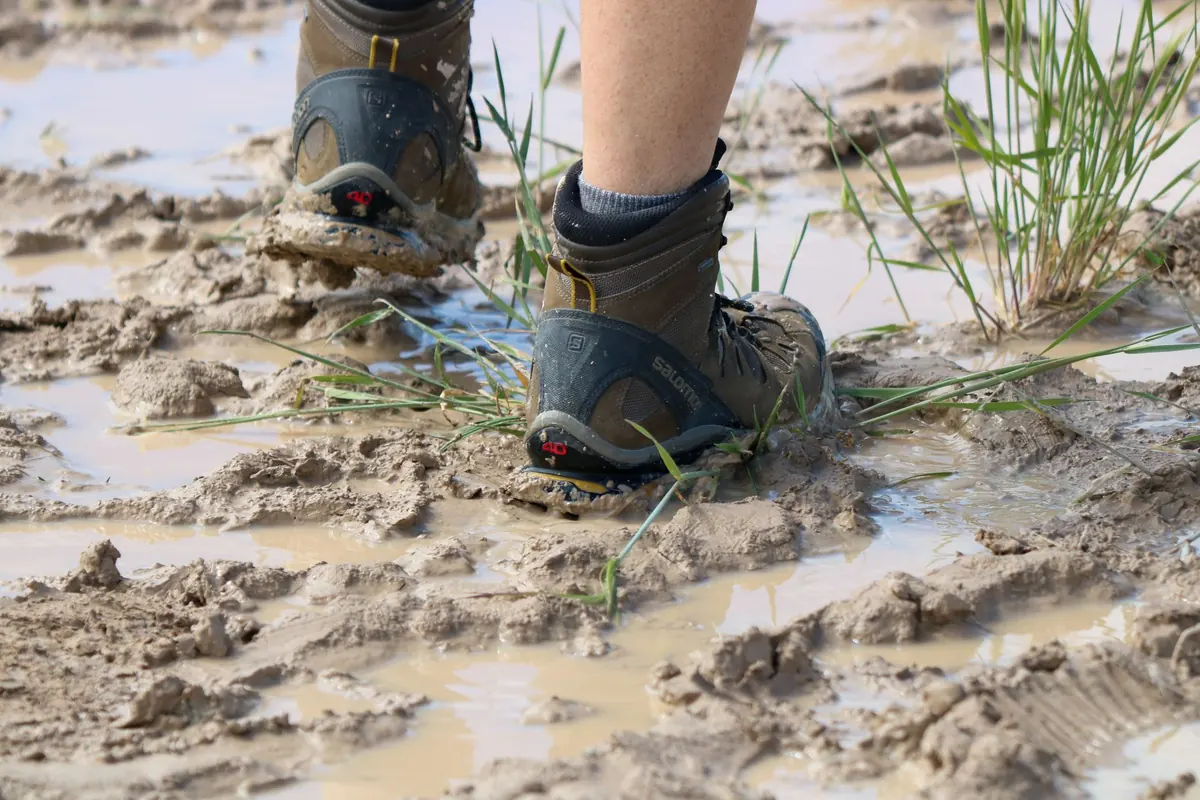
- Trail shoes with decent grip — boots are fine, but weight on your feet costs you over three long days.
- Trekking poles, especially for the lochside and the descent into Kinlochleven.
- Waterproof jacket and trousers, plus a dry bag for spare layers and socks.
- Head torch and spare batteries. You will use it, even in June.
- Midge head net and repellent from June to August.
- Blister kit: tape, plasters, small scissors.
- Emergency foil blanket, whistle and paper map as backup to an offline phone map.
- Some cash for honesty boxes and rural cafés with no signal.
Planning your own three-day attempt
Three days is achievable for a fit walker with hill mileage behind them, but it is a big step up from a normal weekend. If you have never walked more than twenty miles in a day, this is not the trip to find out how that feels.
- Train with back-to-back long days, not one big walk on a Saturday. The second day is what breaks people.
- Book beds or campsites in advance and know your bail-out points: Arrochar, Crianlarich, Tyndrum, Bridge of Orchy and Fort William all have transport links.
- Split the days so the Loch Lomond shore falls early, when your legs are freshest.
- Carry less than you think you need, and eat more than you think you need. Both matter.
- Have a plan B for weather. Rannoch Moor and the Devil's Staircase are not places to push through something you are not equipped for.
If you have a long-standing knee, hip or foot problem, get it looked at by a physiotherapist before you commit to this kind of distance. It is far cheaper than abandoning a trip halfway and paying for a taxi from Kinlochleven.
Would I do it again in three days? Probably. Would I take a spare day and walk the Rannoch Moor section twice? Definitely.
Photo: suju-foto / Pixabay

A Winter Ascent of Snowdon: Trip Report and Lessons Learnt
A cold, clear winter day on Yr Wyddfa via the Llanberis Path, with the kit that earned its place and the...
Night Hiking for Beginners: Safety, Kit and Route Planning
A practical guide to walking after dark, covering head torch choice, night navigation, timing your route...
About Us